
Jingdezhen Hand-Painted Tea Cups
1. The Artisan’s Narrative
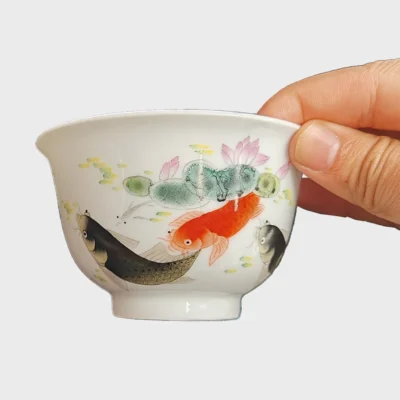
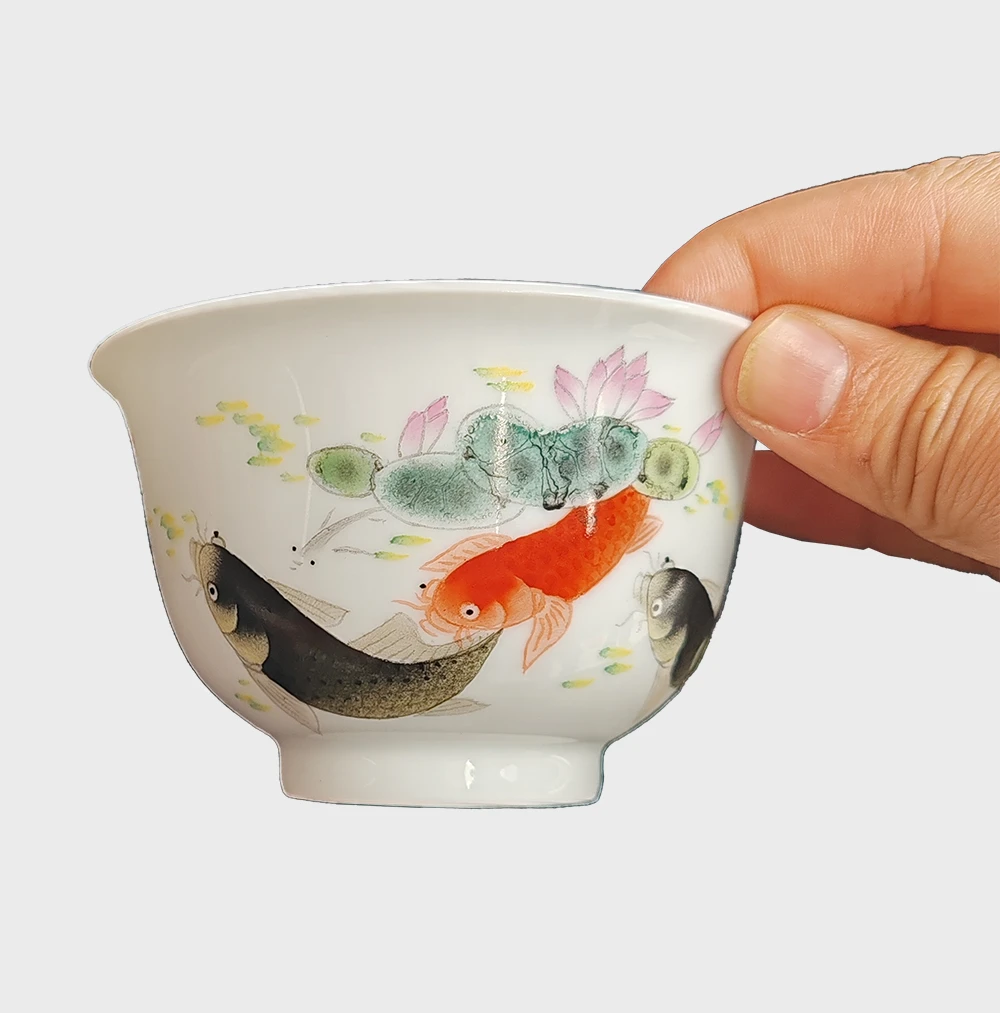
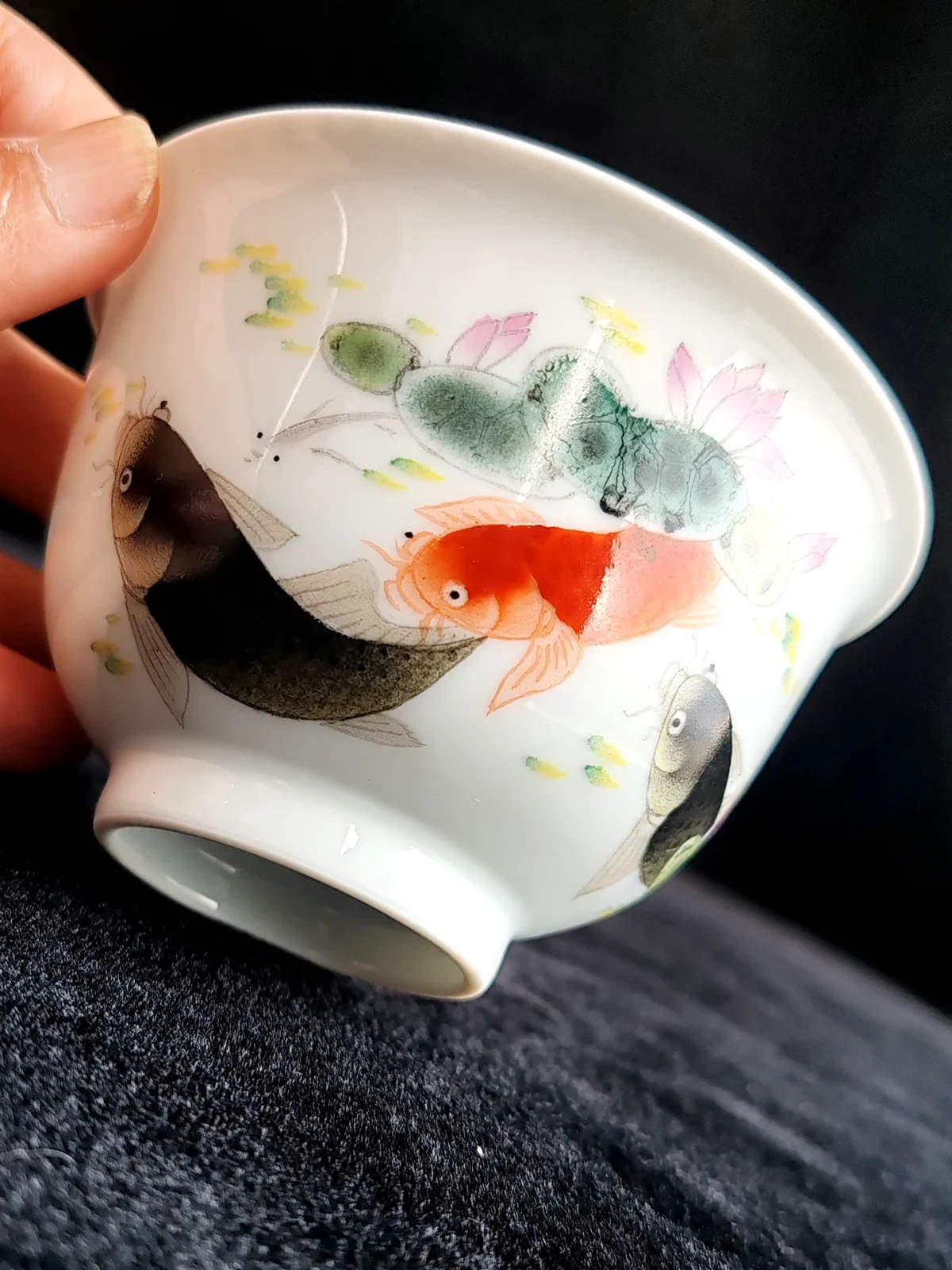
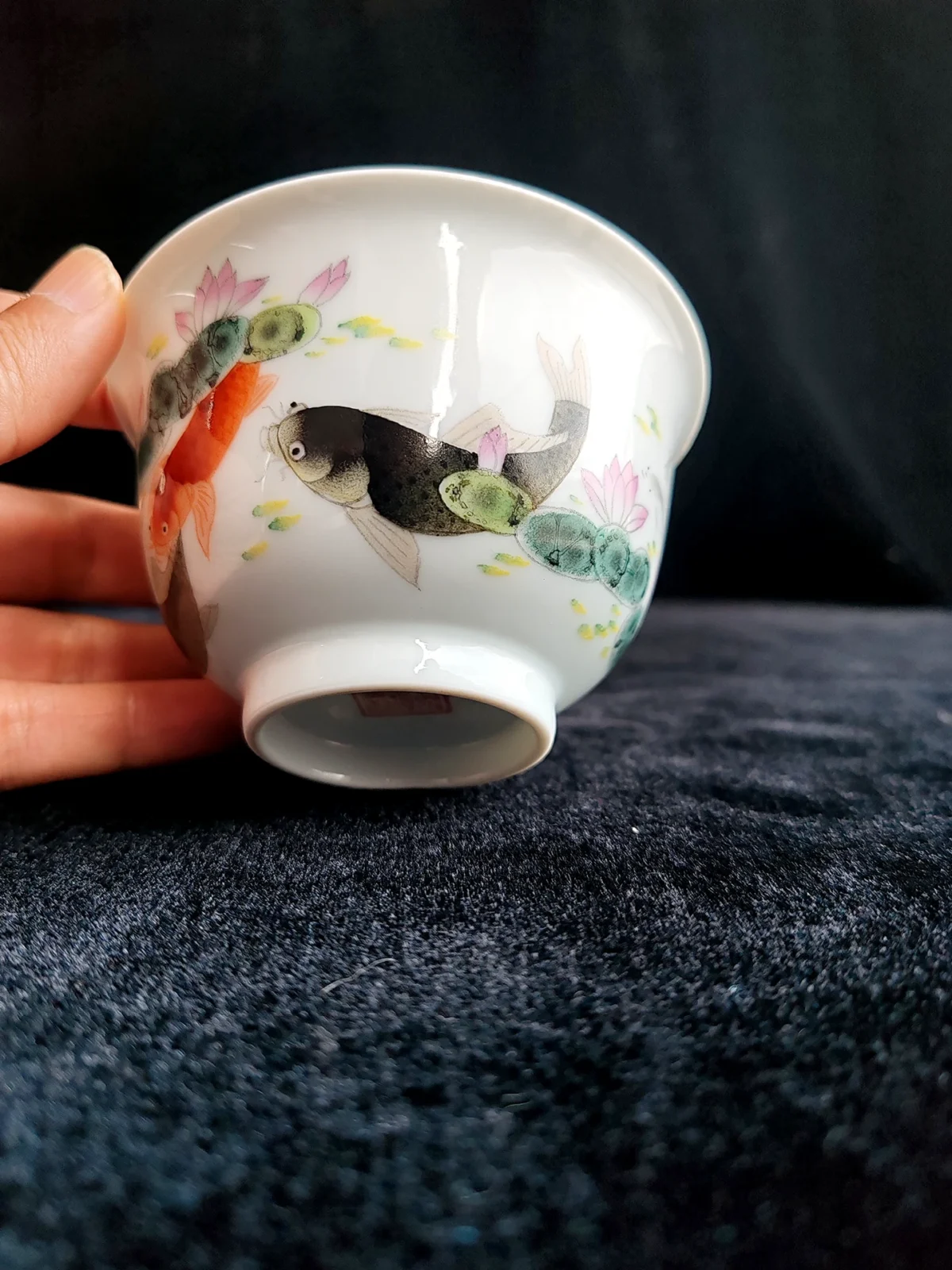
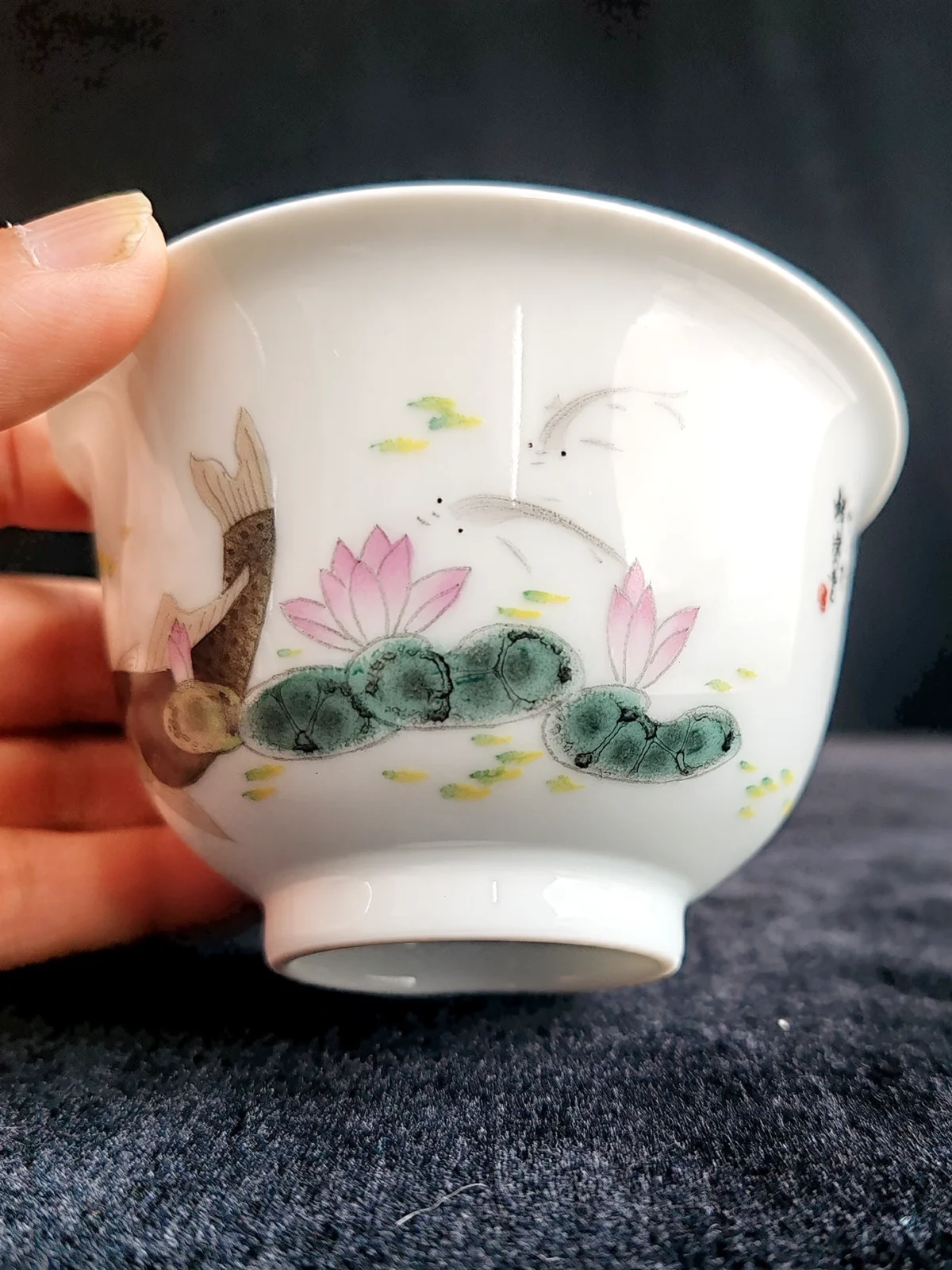
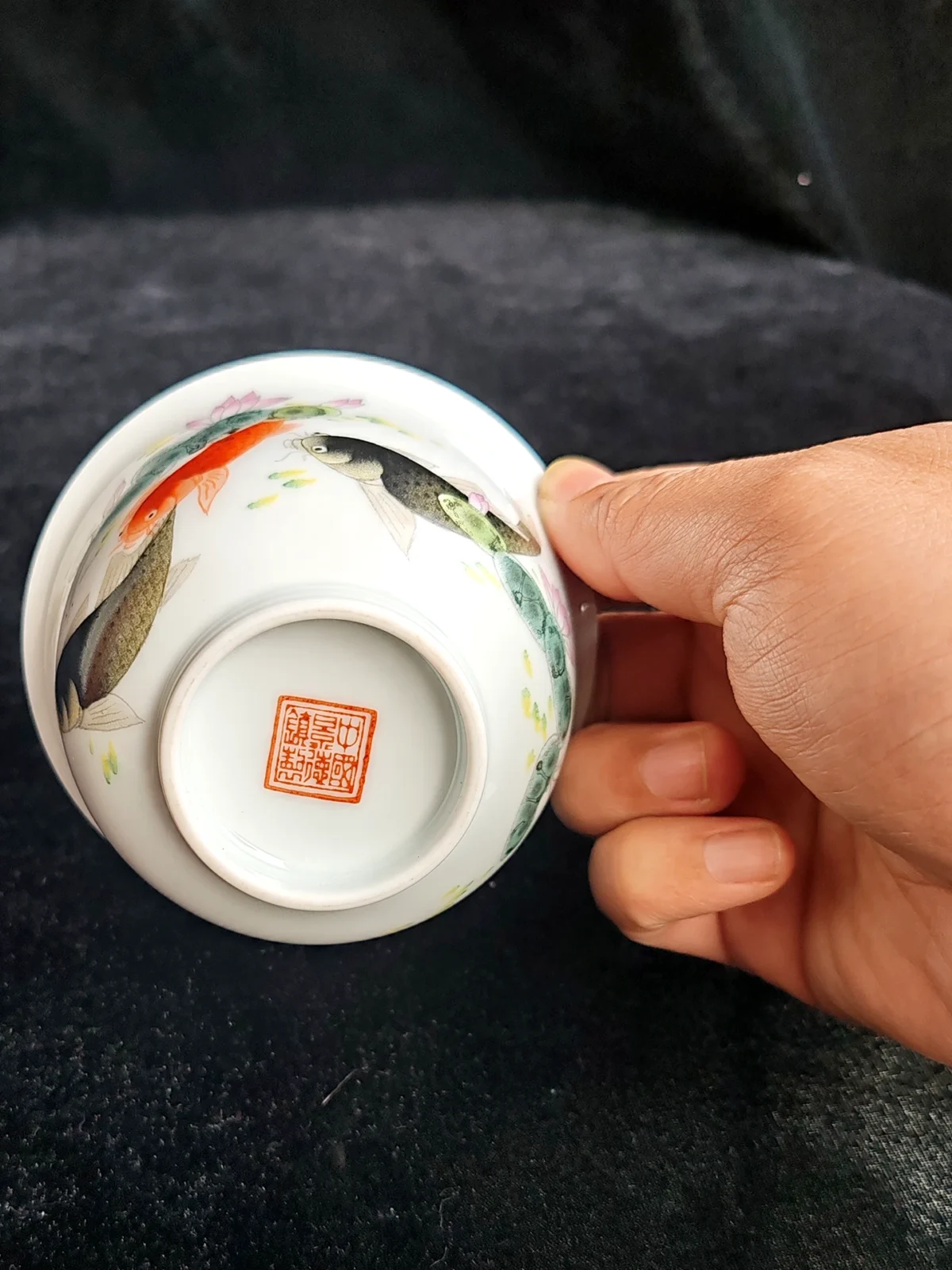
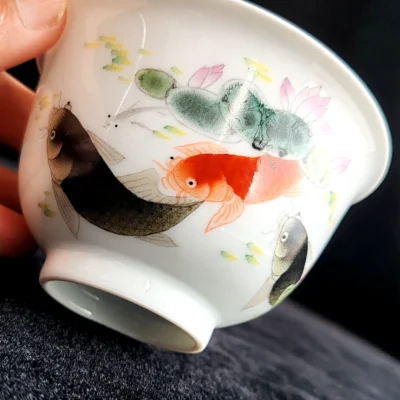
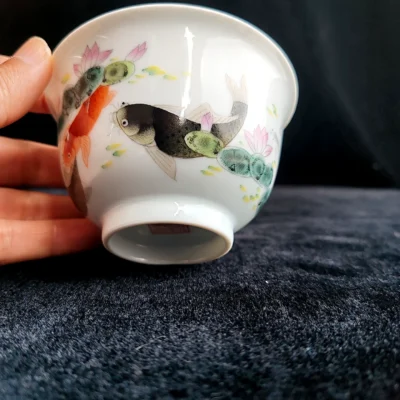
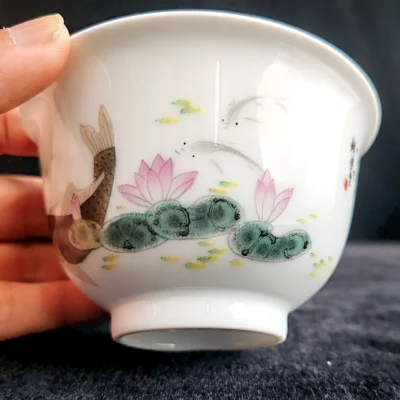
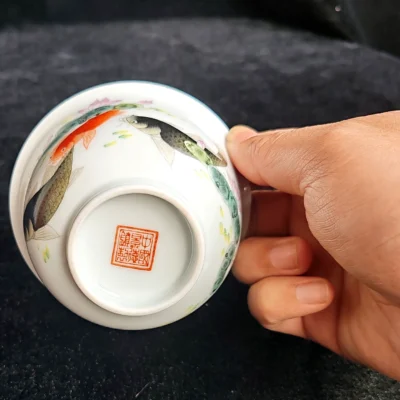
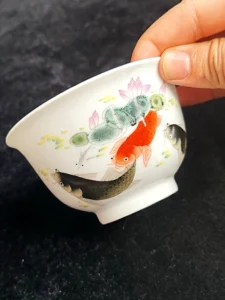
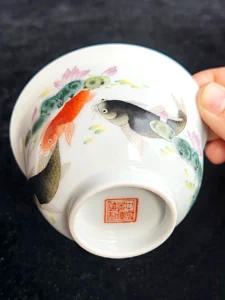
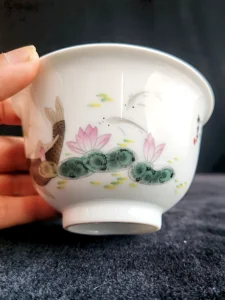
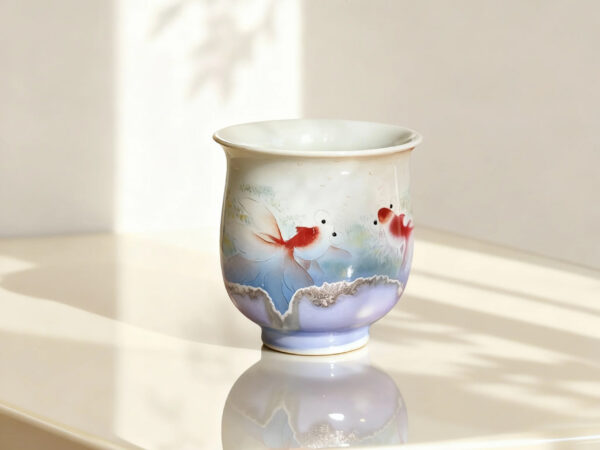
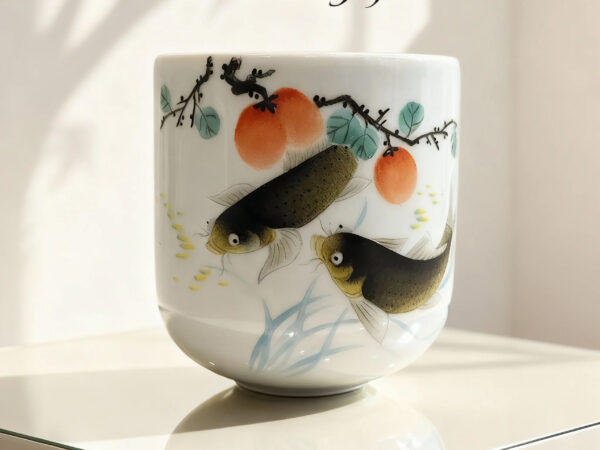
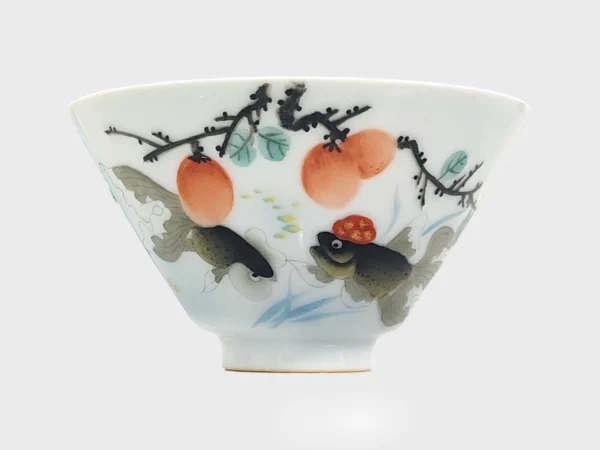
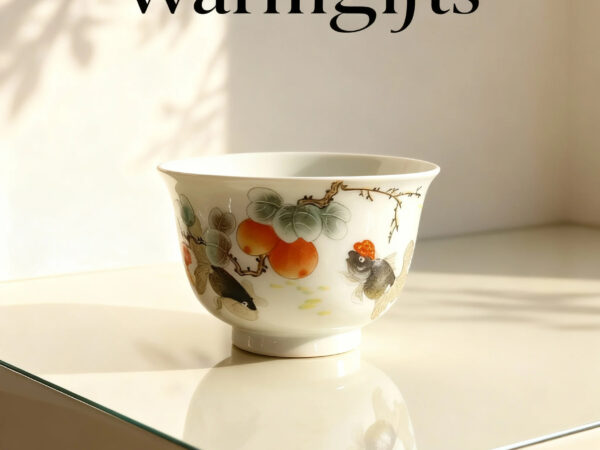
In Jingdezhen—China’s “Porcelain Capital”—master painters use squirrel-hair brushes to etch koi fish with ichthyomorphic grace. The lotus, painted in washed cobalt, appears to float above water, its petals veined with translucent glaze. This isn’t decoration; it’s a silent dialogue between clay and fire.
2. Ecological Allegory
Koi (symbolizing perseverance in Taoism) and lotus (rooted in mud yet unblemished) reflect nature’s balance. Western clients often liken it to Klimt’s “Water Serpents”—where ornamentation meets depth.
3. Functional Art
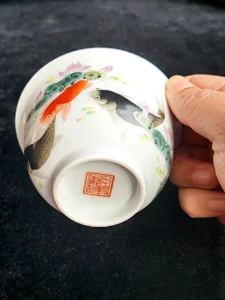
- Capacity: 180ml (ideal for oolong or sencha)
- Clay Body: Kaolin-rich, yielding a crisper resonance than stoneware.
- Glaze: Lead-free, with a satin-luster that resists tea staining.
4. Gift Philosophy
Packaged in a hemp-fiber box with a handwritten note explaining the koi’s journey—a metaphor for personal growth. Pair with loose-leaf tea for a curated sensory experience.
Cultural Adaptation Notes
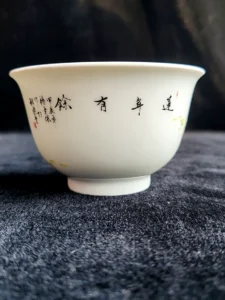
- Avoid direct translation of (nian nian you yu). Use:
- “Abundance Woven in Water” (for poetic contexts)
- “Koi = Determination; Lotus = Renewal” (for wellness branding)
- Compare brushwork to Van Gogh’s fluid strokes or Matisse’s decorative motifs to anchor familiarity.
- Highlight the cup’s sound when tapped—a “porcelain chime” that Western users associate with luxury crystal.
Reviews
There are no reviews yet.